Conservatives’ new anti-terror laws likely to mirror ‘immensely controversial’ U.K. legislation
The Harper government’s new anti-terror legislation is likely to mirror laws introduced in the United Kingdom after the 2005 London bombings – and they are set to be just as controversial.
As the National Post reported Friday, the new legislation is likely to include provisions that make it an offence to condone or glorify terror acts. There will also be moves to lower the evidentiary threshold necessary to detain suspected terrorists.
This is in line with the 2005 British legislation that criminalized indirect incitement to commit terror acts. The law made it an offence to encourage terrorism – specifically, it prohibited publication of “a statement that is likely to be understood by all the members of the public to whom it is published as a direct or indirect encouragement or other inducement to them to the commission, preparation or instigation of terrorism.”
Kent Roach, a professor of law at the University of Toronto faculty of law, said the law was “immensely controversial and has been used relatively infrequently.”
Wesley Wark, a visiting professor at the University of Ottawa, said the legislation was likely designed to be symbolic and a deterrent, rather than “a useable legal tool”.
In one case that was brought to trial, a British Muslim woman was convicted of “possessing records likely to be useful in terrorism,” after posting poems on the Internet supporting Osama Bin Laden. The conviction was later overturned by a court of appeal.
That provision was controversial enough – it was criticized for being vague and potentially stifling debate. But the British legislation went further, particularly in relation to the detention of terror suspects for questioning.
The Tony Blair Labour government tried to amend existing terror legislation that allowed for the detention of suspects without charge for up to 14 days. The government called for extrajudicial detention for up to 90 days but the amendment was defeated, in favour of a doubling to 28 days.
ome legislators, including former Conservative leader Michael Howard, pointed out that no terrorist released after 14 days had ever been incriminated by new evidence – suggesting the police had no practical need for more than 14 days. Opponents pointed to the failure of internment in Northern Ireland, which proved a helpful recruiting sergeant for the IRA.
It’s unlikely the Conservatives will seek such Draconian recourse.
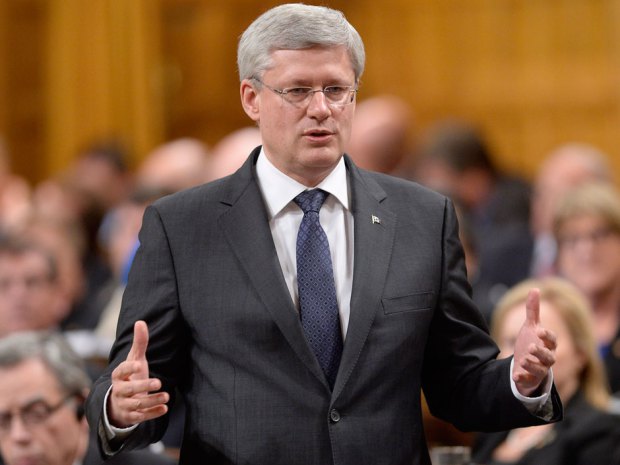
But Stephen Harper told the House of Commons Thursday that the government plans to strengthen policing powers over surveillance, arrest and detention.
Steven Blaney, the Public Safety Minister, has said the government plans to lower the threshold necessary to mount a case against suspected terrorists