
By Joseph Ford Cotto
Charlie Kirk built his public life around a conviction that ideas should be contested openly and fairly. He believed that rigorous debate was not only worth having, but essential to America’s survival as a free nation.
From the age of 18 to his death at 31, he carried that conviction into lecture halls, gymnasiums, and auditoriums across the country. On Sept. 10, while debating hot-button topics at Utah Valley University, Kirk was struck down by an assassin’s bullet.
The murderer, motivated by leftist politics, ended the life of a whiz-kid-turned-titan whose confidence in open dialogue made him a pop-cultural icon.
The tragedy marks more than the silencing of an activist with a global rock star’s fan base. It signals the death of an American tradition stretching from the founding fathers to live-streamers: the public debate as a civic ritual.
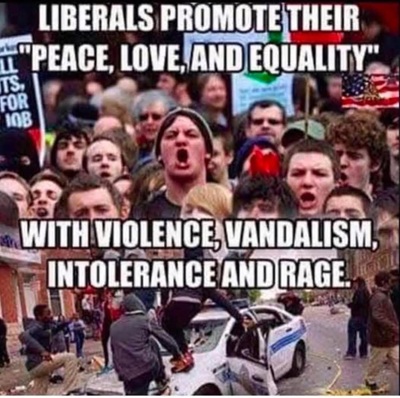
Kirk’s assassination brings that pastime to its apocalyptic conclusion. Non-leftists — whether Christian super-conservatives (such as Charlie), walked-away Democrats (who may have won 2024 for Trump), Rockefeller Republican populists (like me), or anyone else — must accept that open debate with the left has become not merely unproductive, but dangerous.
Kirk, of course, was no ordinary political figure. He co-founded Turning Point USA in 2012, channeling youthful energy into a national organization dedicated to conservative activism on college campuses. In an environment where leftist orthodoxy dominated, his new group stood as an unapologetic counterweight. Before Barack Obama’s presidency had ended, Kirk was a familiar face on campuses nationwide, braving hostile audiences to make the conservative case directly to young people.
These debates were not just spectacles; they were tests of endurance. Kirk developed a reputation for dismantling progressive claims with precision, drawing crowds of thousands. He gained social media attention by the millions. Charlie became not only an activist but also a symbol of resilience in the age of Donald Trump, embodying the spirit of standing firm against cultural and academic elites.
Kirk’s influence expanded rapidly as he won one debate after another against well-prepared left-wing opponents. This solidified his standing within the GOP, inspiring many young Americans to consider conservatism for themselves.
Underlying all of this was a simple creed. It holds that debate is the safeguard of liberty. Kirk made clear his perspective: “When people stop talking, that’s when you get violence. That’s when civil war happens, because you start to think the other side is so evil, and they lose their humanity.”