
by
Our republic depends upon public confidence in fair elections.
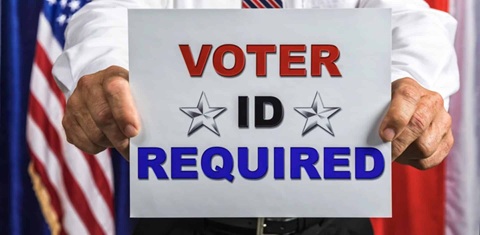
Democracies depend not only on fair elections but on public confidence that elections are fair. Once people begin to doubt the integrity of the system, the legitimacy of the outcome begins to wobble. In the United States today, few issues have done more to shake that confidence than the debate over voter identification.
The strange thing about the debate is that identification is required for almost everything else.
Americans must show ID to board an airplane, obtain employment, open a bank account, collect Social Security benefits, purchase alcohol or tobacco, or obtain a driver’s license. Identity checks are simply part of everyday life.
Even casual labor can require it. In places such as New York, workers hired to shovel snow must provide multiple forms of identification for employment and tax purposes. Yet in the same state, a registered voter can generally cast a ballot without presenting identification at the polling station. The contrast borders on the absurd: you need ID to shovel snow, but not necessarily to vote.
Supporters of voter identification see the matter as simple common sense. If identity verification is expected in ordinary life, it should certainly apply when determining who may cast a ballot. Critics respond that requiring identification could create barriers for some voters and argue that such measures echo restrictions from the Jim Crow era.
The result is a familiar American stalemate. Some states require voter ID, others do not, and the country is left with a patchwork system.
Looking beyond America’s borders makes the debate even more curious and difficult to understand. Across most democracies, voter identification is not controversial at all. It is simply considered a basic safeguard of electoral integrity. This is true not only in wealthy countries but also in developing democracies that face logistical challenges far greater than anything in the United States.