
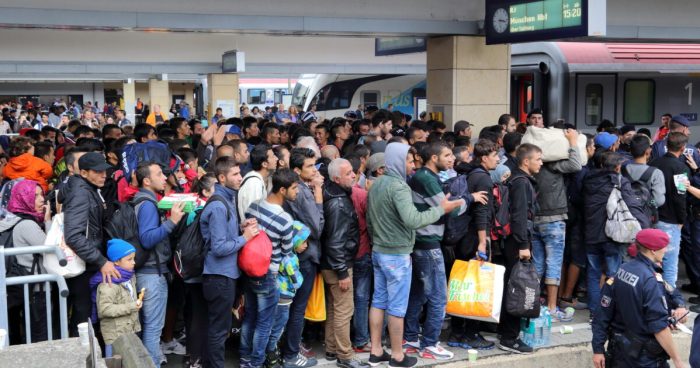
Germany is facing a staggering migration bill exceeding €40 billion (approximately $43 billion) a year, with critics warning that the true cost of mass immigration is now placing unsustainable pressure on the country’s economy and social systems.
While official figures often highlight federal spending, the full picture is far more alarming. Once regional and municipal costs are included, the total burden rises well beyond €40 billion ($43 billion)—and may approach €50 billion (around $54 billion) annually.
According to a report from Remix News, citing government data and regional reports, the headline federal figure of €24.8 billion ($26.8 billion) significantly understates the real cost borne by taxpayers.
That €24.8 billion ($26.8 billion) represents only federal expenditures. It does not account for the massive additional spending required at the state and local levels.
German states and municipalities are shouldering a large share of the burden. Their combined costs add tens of billions more to the total.
The result is a financial strain that extends across the entire system. Public budgets are being stretched at every level of government.
But the official totals still fail to capture the full impact. Many of the most visible consequences are not included in the headline figures.
Housing markets, for example, are under intense pressure. Rent prices have surged, and affordable housing has become increasingly scarce. Public infrastructure, too, is feeling the strain. Roads are more congested, and local transport systems are facing growing demand.
Healthcare is another major pressure point. Hospitals continue to be overcrowded, and waiting times for treatment are rising.
The financial imbalance within the health system is becoming increasingly evident. The National Association of Statutory Health Insurance Funds has warned of a growing deficit.
A key issue is the gap between contributions and costs. Many recipients of benefits have not paid into the system at the same level.
Once migrants enter the welfare system, they are integrated into public health insurance. At that point, the financial shortfall becomes clear.