


‘Sop to the temperance movement’ under fire now
Ohioan John Ream is an accomplished aerospace engineer and brewery owner. He would like to try his hand at making Bourbon. However, federal law prohibits distilling spirited beverages at home. On Monday, he filed a petition in the Supreme Court of the United States asking it to hear his case, which raises important questions about the limits of federal power.
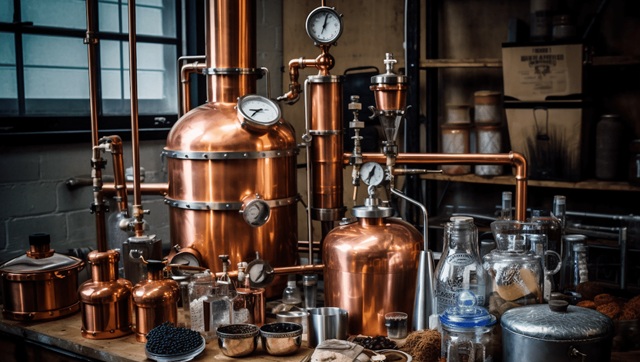
Home distilling is, of course, as American as apple pie, and certainly a lot older. George Washington’s Mount Vernon estate featured a distillery that, by 1799, was producing more than 10,000 gallons of whiskey per year. Nonetheless, Congress barred distilling inside any “dwelling house” or “shed, yard, or inclosure connected with a dwelling house” in what was, by all indications, a sop to the temperance movement. Later, Prohibition killed off what remained of craft spirits production.
The home-distilling ban ultimately survived both Prohibition and repeal, along with the distilled-spirits tax. Under the law, distilling, or even owning a set-up still, in a prohibited location like a home is punishable by fines, property forfeiture, and imprisonment. Given the draconian penalties, it’s little surprise that hobby distilling has floundered while craft brewing and small-batch winemaking, both of which the law allows, have flourished.
Mr. Ream filed a lawsuit in federal court challenging whether that disparity has any lawful basis. The federal government, after all, possesses only the limited powers specified in the constitutional text. States, meanwhile, retain broad authority to legislate for the public good. This vertical separation of powers between the federal government and the states promotes accountability, responsiveness, and ultimately individual freedom.
Or it would, if the Court hadn’t refashioned the Constitution’s Commerce Clause, which authorizes Congress to “regulate Commerce…among the several States,” and had long been understood to reach only interstate trade and the channels of such trade. But in the 1942 Wickard v. Filburn ruling, the Supreme Court eviscerated such limitations. At issue was a Soviet-inspired law capping wheat production to “rationalize” the agricultural sector and, by limiting its volume, drive up prices. Roscoe Filburn was an Ohio farmer who exceeded the imposed cap and grew enough wheat to feed both his family and the animals on his farm. The Court held that Congress may regulate any activity that, in aggregate, has a substantial effect on interstate commerce. Because widespread home-production of wheat would prevent Congress from regulating interstate prices, Congress could therefore restrict home production as part of its price-regulation scheme.