
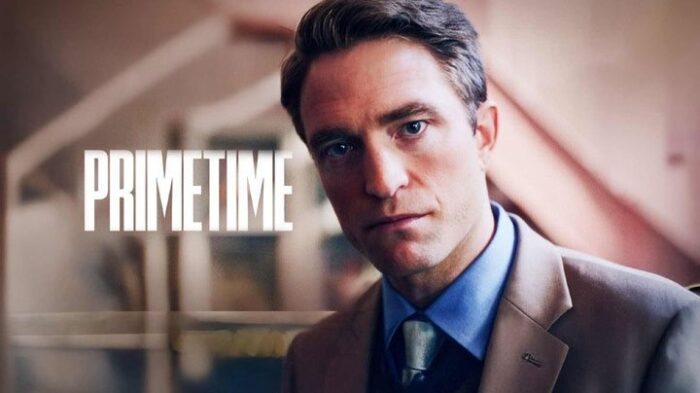


Primetime is the perfect example of how far our society has fallen.
A24’s new movie, Primetime, is a fictionalized drama inspired by the popular 2000s real-life investigative television show To Catch A Predator. Hosted by journalist Chris Hansen, the original program famously led to the arrests of 256 alleged child predators, about half of whom were convicted. This new film takes a controversial approach. It shifts the focus away from the perpetrators, using clever framing and narrative choices to portray the pedophiles as victims and to frame Hansen’s pursuit of justice as a morally grey crusade driven by a quest for fame.
Primetime, which debuted on Sept. 25, earned nearly $20 million on its opening weekend, putting it fourth in domestic rankings. The film is alarming because it is beautifully shot, well acted, and has a tight script. It has earned its artistic merits. It is such a well-made film that it has moments of being terrifyingly persuasive. But ultimately, audiences must confront the question: Why are we creating art that makes us question whether pedophilia is wrong?
Primetime follows Hollywood’s trend of undercutting heroes and empathizing with villains. This has become a notable feature of modern cinema, such as with films like Maleficent and Steps, which try to vindicate villains. Primetime cunningly borrows the subversive tropes from those films.
Hansen’s actions are easy to call into question when the film’s creators place him in dimly lit backrooms or ominously shoot him reading the perverted chat exchanges from the child predators. The creators treat cops like absent-minded idiots, having one officer locking himself out of his car for laughs. NBC gets portrayed as “evil corporate suits,” instead of the company whose programming helps expose and arrest pedophiles.
On the other hand, Primetime gently insinuates that the pedophiles aren’t bad guys who are responsible for their own actions. Rather, it pretends that these monsters are tools Hansen and NBC are using to get higher ratings.
The second half of the movie focuses on Bill Conradt. Conradt was a Democrat assistant district attorney in the Dallas-Fort Worth area who killed himself after being approached by Hansen and local law enforcement for soliciting sex with a minor. The movie handles Conradt with kid gloves, softening his image by having him discuss his love of musicals and Vegemite. The film often shows pedophile characters wrestling with guilt. Hansen’s vehemence in catching these pedophiles is depicted as being heartless and cruel.
The actual Chris Hansen’s response is indicative of how poorly the movie reflects the heroism of To Catch a Predator. Hansen has said he wasn’t consulted in the making of the film, and he has publicly stated his interest in pursuing legal action. Hansen says A24 asked him to sign an NDA that would’ve waived the rights to his image and brand, restricting his ability to pursue legal action, but Hansen refused. The movie specifically calls into question his morality and repeatedly implies that he was malicious, mean, and neurotic. Online, Robert Pattinson’s performance as Hansen has drawn comparisons to Leo DiCaprio’s maniacal Jordan Belfort and Christian Bale’s bloodthirsty Patrick Bateman.
Primetime unintentionally exposes how depraved Hollywood has become. At one point, the movie tries to draw a moral equivalence between adultery and pedophilia. In order to make Hansen look bad, the film shows his 2011 cheating scandal taking place in 2006, playing out during the same period that Conradt committed suicide. The only reason why the filmmakers would do this is to call into question his ethics.