
Beaver butt used as ‘natural flavoring’ in your food
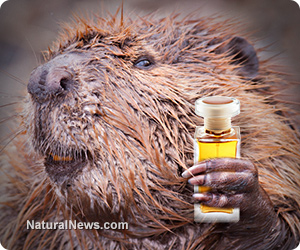
Beaver butt used as ‘natural flavoring’ in your food
NaturalNews) Yes, it’s true.
Millions of people across the globe are eating “beaver butt” and don’t even know that they’re consuming such a substance.
It’s called “castoreum,” and it’s emitted from the castor sacs within the animal’s anus. For a beaver, this slimy brown substance is used to mark its territory, but for us humans, it’s used as an additive that is often labeled as “natural flavoring” in the foods we eat – vanilla, strawberry and raspberry probably being the most common.
Why is castoreum used? The most notable characteristic (after being processed) has to be the smell of castoreum. Instead of smelling horrible, like most people would expect from an anally produced secretion, it has a pleasant scent, which supposedly makes it a perfect candidate for food flavoring and other products.
The question that many people put forth would have to be “who in their right mind actually made this odd discovery?”
Another industry that utilizes castoreum is the fragrance world. For decades, perfume manufactures have been using it to make various types of fragrances. These anal secretions are said to contain around 24 different molecules, many of which act as natural pheromones. From perfumes to air fresheners, castor sacs are quite versatile within the fragrance industry.
Is it natural?
Sure it’s natural, but does “being natural” make it right to use or consume?
Many disgusting substances are considered “natural,” yet eating them may not be the best idea.
The act of labeling something so vulgar and disgusting as “natural flavoring,” should be illegal in many people’s eyes, but the FDA views it all in a different light.
Having the anal secretions from a beaver take the place of a strawberry in something like strawberry ice cream hardly seems like an efficient process. Why go through the process of harvesting “anal secretions” when a strawberry is much easier to pick?
It hardly seems like a better option…
The food industry is a tricky business to figure out, and it will continue to boggle the minds of many on issues exactly like this. Much like with other additives that have raised concern over the years (aspartame, high fructose corn syrup and food colorings), castoreum is proving to be just as questionable.
It’s the deceptive labeling that seems to be the root of the problem. Instead of stating what castoreum truly is, the FDA has allowed it to be labeled as something that sounds pleasant and healthy.
As with many questionable additives in today’s food market, the power lies within the people. Read your labels thoroughly if you wish to subtract these types of ingredients from your diet.
In all honesty, castoreum is probably safe to consume, being that is derived from an animal, but who really wants to eat a beaver’s anus?
For further information on castoreum, be sure to check out the sources section below.
Learn more: http://www.naturalnews.com/042950_beaver_butt_natural_flavoring_castoreum.html#ixzz2l35mTIDq