
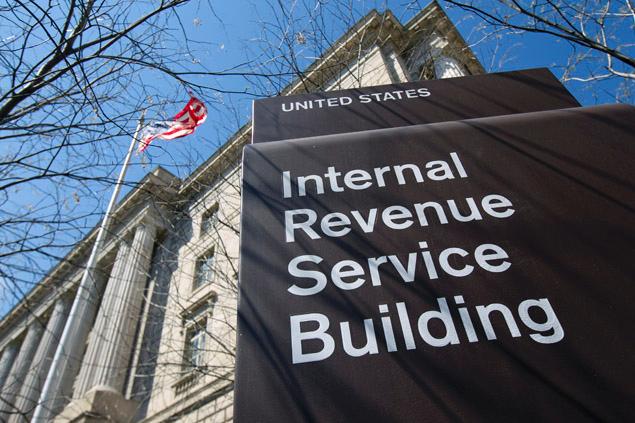
From Tariffs to “Fair Tax”: Exploring Proposals to Eliminate Income Tax
No one likes paying income tax. However, it is structured, or however high or low the rate, someone always feels cheated. Much of the resentment stems from the fact that income tax is compulsory, you pay whether you want to or not, and whether or not you agree with how the government spends your money.
This frustration has fueled proposals to replace the system with something more voluntary in appearance. Advocates suggest revenue models that still fund government operations while giving taxpayers the option to “opt out.” Two of the most prominent alternatives are tariffs and the FairTax movement, both seeking to reduce or eliminate compulsory income taxes by shifting the burden to consumption.
President Trump has repeatedly floated the idea of replacing or reducing federal income taxes with tariff revenues. His proposals aim to cut reliance on income taxes, sometimes even suggesting elimination, by funding government operations through import duties. Supporters argue this would free disposable income, reduce paperwork, and centralize tax collection at the point of sale, allowing businesses to redirect resources toward growth and job creation.
Trump has also cast tariffs as tools to protect domestic industries, reduce dependence on foreign goods, and strengthen America’s negotiating position. He ties them to a nostalgic vision of the past, noting that from 1790 to 1860 tariffs supplied about 90 percent of federal revenue. Shortly after taking office, he said: “We were at our richest from 1870 to 1913. That’s when we were a tariff country. And then they went to an income tax concept. It’s fine. It’s OK. But it would have been very much better.”
During his 2024 campaign, Trump promoted an “all-tariff policy,” telling Republican lawmakers it could allow the U.S. to abolish income taxes. In an April 15 Fox interview, he claimed tariff revenues might even be “so great that it would replace” the income tax, at least for Americans making under $200,000. Proponents argue that unlike income taxes, tariffs are “voluntary” because consumers can avoid them by not purchasing imports, a classic pro-tariff position even if Trump has not stated it outright.
The FairTax proposal takes a different route. It would replace all federal income, payroll, estate, and gift taxes with a single national sales tax, typically proposed at a 23 percent inclusive rate, about 30 percent as a traditional sales tax. Proponents argue that shifting taxation from earnings to consumption would simplify the system, broaden the base, and even introduce a “voluntary” element, since individuals could lower their tax burden by consuming less.
Supporters contend that the FairTax would eliminate compliance costs, increase transparency, and prevent double taxation. A monthly “family consumption allowance,” or prebate, based on family size and poverty guidelines, would offset the burden of necessities for lower-income households, making the system more progressive. Advocates also argue that abolishing the IRS would reduce government intrusion while ensuring that everyone, including illegal immigrants and those in the underground economy, contributes to federal revenue.