
Trump’s Cuba Strategy and Prospects for Regime Change
The Cuban exile community in the United States, concentrated primarily in Miami, has been waiting for regime change in Cuba for over six decades. Many left after Castro took power in 1959, bringing nothing with them and starting over as gas station attendants, maids, and small business owners after having been sugar mill owners and professionals.
Multiple waves followed, including the Freedom Flights of the 1960s-70s and the Mariel Boatlift of 1980. Over one million Cubans now live in the United States, having built Miami into a Latin American city while maintaining hopes of returning to a free Cuba.
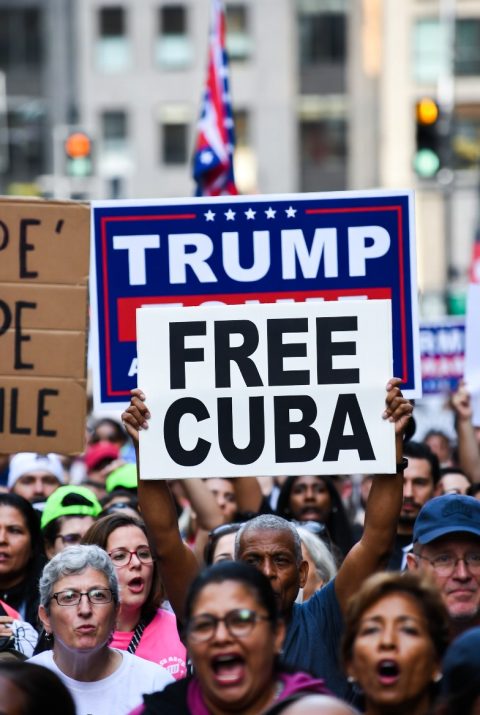
Secretary of State Marco Rubio, son of Cuban immigrants, came of age in Miami’s exile community where memories of the island and opposition to socialism remained powerful forces. The community has historically been split between hardliners who support the embargo and maximum pressure, and moderates who favor dialogue and engagement. However, Trump’s recent actions against the Cuban regime have generated widespread anticipation among exiled Cubans that regime change may finally be approaching.
After Trump threatened Cuba to make a deal before it is too late, thousands of comments from Cubans flooded social media within hours. The majority celebrated Trump’s stance, with one Miami exile posting that this could end the 67-year nightmare.
Others called for strong measures, comparing the situation to Maduro’s recent arrest in Venezuela. Some advocated for peaceful transition without bloodshed, while others demanded action rather than negotiation with dictators. Many Cuban-Americans interpreted Trump’s message as a serious warning that could lead to forced transition.