
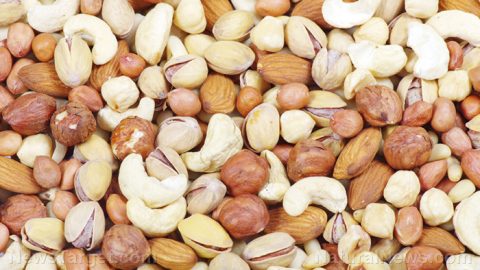
When Food Outperforms Medicine
SAYER JI
Almonds, diabetes, and the quiet war on natural therapeutics
For more than three decades, my life’s work has revolved around a deceptively simple premise: food is medicine.
But not in the watered-down, marketing-friendly sense that now saturates institutional health campaigns. Food is medicine because food is biological information—a signaling system that speaks directly to our genes, our microbiome, our immune intelligence, and our metabolic destiny.
Long before “personalized nutrition,” “epigenetics,” or “food as medicine” entered the mainstream lexicon, the scientific literature had already been quietly documenting this truth. My role has been to surface it, synthesize it, and make it accessible to the public—often in direct contradiction to pharmaceutical-first, reductionist models of care.
A newly highlighted study on almonds offers a powerful and timely example of just how far ahead the science has been all along—and how far behind our medical system remains.
When a Handful of Almonds Rivals a Diabetes Drug
A randomized controlled trial published in Clinical Nutrition ESPEN demonstrated something extraordinary:
Consuming 20 grams of almonds 30 minutes before meals led to statistically and clinically significant improvements in glycemic control in individuals with prediabetes—including a 23.3% reversal to full normoglycemia in just 90 days.
That would equate to:
- 20g = ~17-18 almonds before breakfast
- 20g = ~17-18 almonds before lunch
- 20g = ~17-18 almonds before dinner

To put this into perspective:
- That remission rate is comparable to acarbose, a commonly prescribed pharmaceutical postprandial glucose regulator.
- Unlike acarbose, almonds produced no adverse effects.
- In fact, according to the FDA label, acarbose is associated with multiple common adverse effects—including flatulence (74%), diarrhea (31%), and abdominal pain (19%)—as well as rare but serious risks such as elevated liver enzymes, hepatitis, intestinal obstruction, hypoglycemic shock (when combined with insulin or sulfonylureas), and reported cases of fatal fulminant hepatitis.
- Instead, almonds delivered additional benefits:
- Weight loss
- Reduced waist circumference
- Improved insulin sensitivity
- Better lipid profiles
- Increased satiety
- Improved muscle strength
Additionally, on Greenmedinfo.com we have indexed over 60 conditions that could benefit from the consumption of almonds.

Consider that one intervention is a patented chemical designed to block enzymes.
The other is a whole food humans have consumed for millennia—rich in fiber, monounsaturated fats, micronutrients, and metabolic intelligence.
This is not an isolated finding. It is a pattern.
And it is precisely why the new HHS “Eat Real Food” guidelines—which emphasize whole, minimally processed foods like nuts—are quietly revolutionary. They signal a long-overdue inversion of the old food pyramid, toward what some now call a “flipped pyramid”: fewer refined carbohydrates, more ancestral, nutrient-dense foods.
As I placed on the public record via the White House website following this month’s HHS policy celebration: