
Canadian Gun Buyback Program Is Voluntary, but Noncompliance Can Land You in Jail
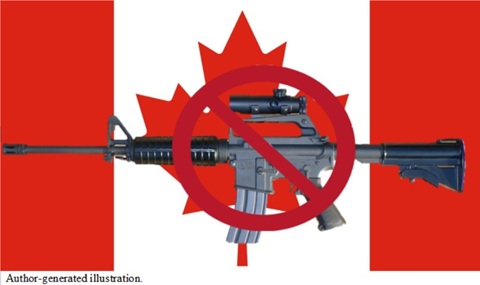
Canada’s federal gun buyback program, officially known as the Assault-Style Firearms Compensation Program (ASFCP), is in a high-stakes rollout phase. As of early 2026, it has become a flashpoint for legal and political conflict between the federal government, several provinces, and law enforcement agencies.
The program stems from a May 1, 2020 Order-in-Council that prohibited approximately 1,500 models of what the government labeled “assault-style” firearms. That list was expanded in late 2024 and early 2025 to include roughly 2,500 makes and models.
The ban targets firearms such as the AR-15, Ruger Mini-14, M14, and various modern semi-automatic rifles. It also includes so-called heavy firearms with a bore diameter of 20 millimeters or greater or muzzle energy exceeding 10,000 joules. While the bore restriction does not apply to shotguns, the energy threshold captures several high-end “dangerous game” rifles used for hunting elephants or buffalo. For example, the .460 Weatherby Magnum can exceed 11,000 joules, making it technically prohibited.
The law also relies on a “capable” clause, defining prohibition based on whether a firearm is capable of discharging a projectile exceeding 10,000 joules. This has drawn criticism because some rifles may remain under the limit with shorter barrels or lighter loads but are physically capable of firing higher-pressure rounds that cross the threshold.
Gun owners must declare their intent to participate by March 31, 2026. The current amnesty period, which shields owners from criminal prosecution for possession, expires on October 30, 2026. The federal government has earmarked approximately $250 million for compensation, with payouts based on government-defined “market value” research. Lower receivers are typically compensated at a flat rate of $550, while full firearms vary by model.
The government claims participation in the buyback is voluntary, but compliance with the law is mandatory. Owners may choose whether to accept compensation, but declining payment does not allow them to keep prohibited firearms. Those who refuse compensation must surrender their firearms without payment, export them, or have them permanently deactivated at their own expense.