
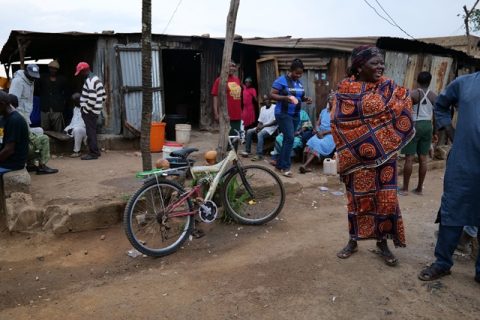
Apostle Wayne Daniel, a missionary based in Haipang, Orkelade, near the Plateau State Polytechnic and Jos airport, serves as the local chairman of the Pentecostal Fellowship of Nigeria (PFN) and as a co-laborer with pastors across the surrounding communities. He described two attacks that struck his village in the days around Easter.
On the night of April 2, residents were at home preparing for the holiday when gunshots broke out around 10 p.m. “While we were just checking our phones, we discovered that our networks were jammed. You and your neighbor, you can’t access each other.”
This type of cellphone jamming has become a more frequently reported feature of Fulani attacks on villages. Survivors reported that when they tried to call for help or warn other villagers, the calls could not get through, leaving vulnerable communities isolated.
The attackers had entered from behind the polytechnic, climbing the fence and lying in wait. A young woman spotted them first. “When she saw them, she shouted, ‘Run, Fulani!’ and they shot her in the hip.” Despite the wound, she managed to flee.
Two other women were not as fortunate. One was shot from behind, with the bullet exiting through her chest. She died that day. The first woman, who had been taken to the hospital, died from her wounds several days later.
The attack lasted over 40 minutes. Daniel credited a local vigilante and traditional leaders with mobilizing young men who intercepted the attackers, preventing them from entering houses.
“We saw the hand of God,” he said, adding that students who normally moved through the area were, unusually, absent that evening. “If they had been there, we would have had a lot of casualties.” One of the dead was a member of his own congregation. “I lost my daughter,” he said, “because she was a member of the ministry.”
Three days later, on Easter Sunday, the attackers returned. “They entered in their hundreds” into a neighboring settlement called Pomol Village, killing three people and wounding others. One survivor sustained six bullet wounds but remained alive at the time of the interview. “You can imagine that people can come on the 2nd and still gather momentum to come on the 5th,” Daniel said. “It means they are no longer afraid of anything.”
Daniel also described a separate attack in Kasa in which a pastor from the Redeemed Christian Church of God was killed, his body later found near a military checkpoint. “They didn’t use a gun. They cut him, they sliced that man.”
When the checkpoint commander was informed that Fulani assailants were responsible, he reportedly told residents not to use that term. “They said to say ‘unknown gunmen,’” Daniel recalled.