
The Democrat Party’s History of Race-Based Policies: From Slavery to the KKK to DEI
On a daily basis, Democrats refer to Republicans as racists, Nazis, and fascists. Meanwhile, they push for DEI, affirmative action, and race-based admissions, hiring, and promotions, which are objectively racist policies.
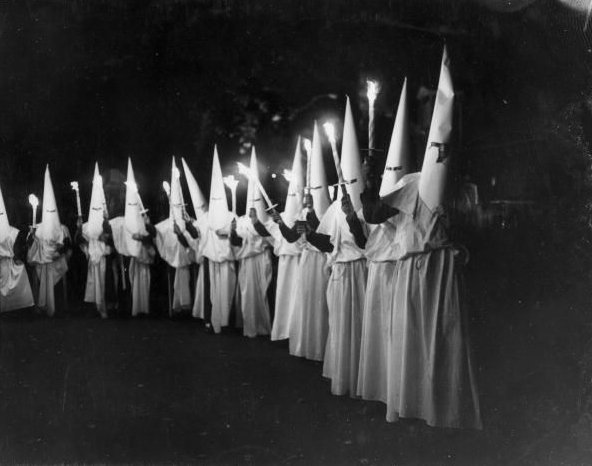
Republicans are characterized as racists because they want all laws to apply equally to everyone, with no preference given to any race, while Democrats not only have a long history of race-based policies but were also the founders of the KKK. The Republican Party, meanwhile, was formed largely by abolitionists, specifically to stop the expansion of slavery.
Abraham Lincoln was the first Republican president, elected in 1860 as the candidate of a party founded in 1854 primarily in opposition to the extension of slavery into new territories. Lincoln signed the Emancipation Proclamation in January 1863, presided over the Union victory in the Civil War, and was assassinated in April 1865, days after Lee’s surrender at Appomattox. Republican-controlled Congresses then passed the 13th Amendment abolishing slavery in 1865, the 14th Amendment establishing citizenship and equal protection in 1868, and the 15th Amendment guaranteeing voting rights regardless of race in 1870.
The Democratic Party went in the opposite direction by restricting voting rights and attempting to disenfranchise Black people. That campaign ran from the 1890s through the passage of the Voting Rights Act in 1965.
After the Populist Party was defeated in the 1890s, Democrats amended state constitutions to include poll taxes and other disfranchising measures. Because payment of the tax was required to vote, impoverished Black people, and often poor whites who could not afford it, were denied the right to vote.
Democratic-controlled state legislatures across the South also imposed literacy tests, grandfather clauses, and whites-only primaries between 1895 and 1910 to exclude Black voters while exempting whites.
One tactic that has entered the historical memory of this era, and was later mentioned by Barack Obama at Congressman John Lewis’s funeral, was the so-called jelly bean test. Registrars asked Black applicants to guess the number of jelly beans in a jar. Alabama voter Theresa Burroughs recounted being asked exactly this by the Hale County Board of Registrars in the late 1940s. According to NPR’s account, it was one of the tactics used to delay her voter registration by two years.
These laws, along with segregation statutes, were enacted by Democratic-controlled state legislatures throughout the Jim Crow era, which lasted from the 1870s until the mid-1960s.