
Uber President Predicts Private Car Ownership and Driver’s Licenses Will Soon Disappear: ‘Nobody’s Going to Own a Car’
by David Lindfield
Getting a driver’s license at 16 has been a rite of passage for generations, offering teenagers their first real taste of independence and putting car ownership at the heart of the American Dream.
But one of Uber’s top executives predicts that tradition could largely disappear within just 15 to 20 years.
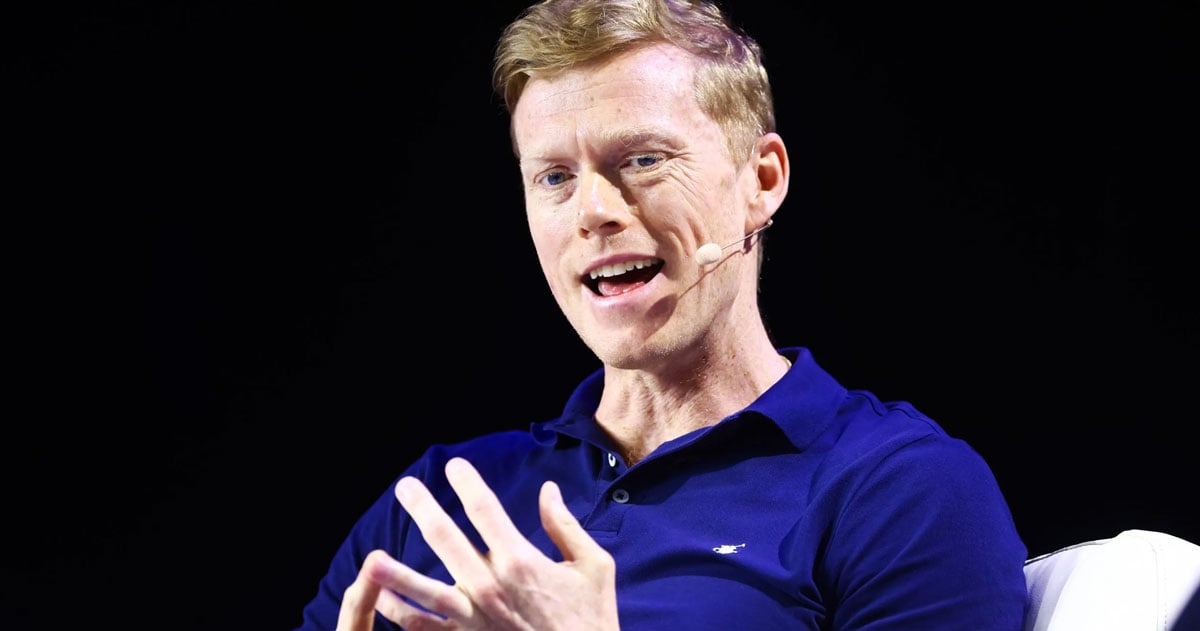
Uber President and Chief Operating Officer Andrew Macdonald says Americans could eventually stop owning personal vehicles altogether as autonomous cars, ride-hailing services, public transportation, bicycles, and scooters replace the privately owned automobile.
And if people no longer own or drive cars, Macdonald argues, they may no longer need driver’s licenses either.
“In some future world, maybe not five years, but 15 or 20 years, everyone’s going to be like Harry—nobody’s going to own a car,” Macdonald said during an appearance on the “20VC” podcast with host Harry Stebbings.
“Nobody’s going to have their driver’s license because you’ll be able to get around,” Macdonald continued.
“And I think bikes and scooters will be part of that. I think autonomous vehicles will be part of that.
“I think public transportation will be a big part of that, but I don’t think you need to own a car.”
The prediction envisions a dramatic transformation of American life, replacing individual vehicle ownership with a transportation system increasingly built around shared services and autonomous technology.
‘The Most Inefficient Asset That Anyone Owns’
Macdonald argues that the economics of private vehicle ownership are already becoming increasingly difficult to justify.
New-vehicle prices have risen approximately 30 percent over the past six years, while most privately owned vehicles spend nearly all of their time parked.
“The individually owned car is the most inefficient asset that anyone owns, and certainly at any level of price point,” Macdonald said.
“It sits idle 98% of the day. It’s depreciating.
“The ongoing operating costs are actually high—even if you’re not driving it, you’re paying for that insurance clip.”
For generations, however, Americans have accepted those costs for something that cannot be measured solely by how many hours a vehicle spends moving.