
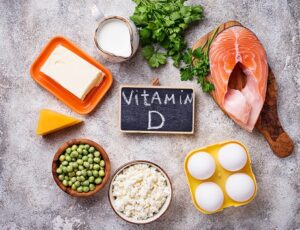
Vitamin D associated with 25% or more decreased risk of COVID death, study finds
by
Lockdowns kept people out of the sun, which is a crucial source of vitamin D.
(LifeSiteNews) – Deaths from COVID-19 could have been reduced by widespread promotion of something as simple as increasing vitamin D intake, according to a study published this month by the peer-reviewed journal Scientific Reports.
The study, by a team of researchers from multiple institutions including Johns Hopkins, the Universities of Michigan and Illinois, and the National Bureau of Economic Research, observed a pool of U.S. veterans and found that “Vitamin D2 and D3 fills were associated with reductions in COVID-19 infection of 28% and 20%, respectively,” and with decreased mortality by 25% and 33%, respectively.
The study also found that the benefits of this “safe, widely available, and affordable treatment” were greater in proportion to the size of the vitamin dosage. “Our findings are especially relevant to the US population, given that about half of Americans are estimated to have sub-optimal vitamin D serum levels.”
The findings, which echo those of past research, suggest that the toll of the pandemic (more than 1.1 million deaths in the United States as of November 23) could have been mitigated in at least one way far simpler and less burdensome than the policies urged by the federal government and adopted by most states, from mask mandates to forced lockdowns on in-person business and public gatherings.
Among the evidence against such policies is the U.S. Centers for Disease Control & Prevention’s (CDC’s) September 2020 admission that masks cannot be counted on to keep out COVID when spending 15 minutes or longer within six feet of someone, and a May 2020 study published by the peer-reviewed CDC journal Emerging Infectious Diseases that “did not find evidence that surgical-type face masks are effective in reducing laboratory-confirmed influenza transmission, either when worn by infected persons (source control) or by persons in the general community to reduce their susceptibility.”